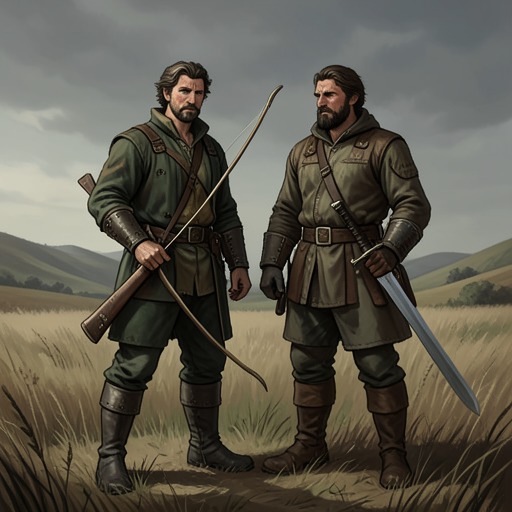
Onegin and Lensky become friends
Eugene OneginThe friendship between Eugene Oneguine and Vladimir Lenski grows from an unlikely approach into an everyday companionship, but its origin is deliberately unheroic: Lenski seeks a neighbor’s company, and repeated rides make the two young men inseparable. The narrator presents their bond as a paradox of difference and habit, ending with the dry admission that men often become friends through idleness.
An Unlikely Acquaintance
Vladimir Lenski does not wish to break his matrimonial vows; instead, he aspires to make Eugene Oneguine’s acquaintance at once. The distinction places this new friendship beside, rather than in opposition to, Lenski’s existing attachment. His initiative is clear: the two meet because Lenski wants to know the newcomer, not because the poem first describes a shared interest or a mutual plan.
The narrator stresses how little the pair seem to have in common. Their contrast is figured through earth and water, prose and verse, ice and flame—elements and modes of expression that appear not merely different but almost incompatible. The comparison makes their eventual closeness surprising without implying that they have resolved their differences. Their friendship begins with contrast still intact.
From Repulsion to Routine
At first, the contradictions between them produce mutual repulsion and ennui. Their initial response is not instant recognition or effortless sympathy: difference makes company wearisome. Yet the poem gives no argument or revelation that converts this resistance into friendship. Instead, the change comes through repeated proximity. As the two grow familiar side by side, they ride on horseback together every day.
The daily rides supply the bond’s concrete structure. Familiarity accumulates through shared time and recurring activity, until the men are described as inseparable. The movement is quiet but decisive: an acquaintance becomes a routine, and the routine becomes companionship. What their opposed temperaments initially seem to rule out, repeated closeness makes possible.
The Bond and Its Irony
The friendship is presented as real, but its cause is not elevated into a grand affinity. The narrator steps forward to confess that men often become friends from idleness. That remark recasts the preceding account: Lenski’s active wish to meet Oneguine starts the relationship, while the regular horseback rides and the unoccupied time they share sustain it. The claim does not erase affection; it gives the affection an ordinary, almost comic basis.
The passage therefore holds two explanations together. Oneguine and Lenski are strikingly unlike, and their first response to those differences is repulsion; nevertheless, they become close through the simple repetition of being together. The narrator’s confession keeps the episode from turning into a conventional tale of destined friendship. Their attachment emerges less from similarity than from habit, and its ease foreshadows the importance of the companionship that will later be tested by conflict.